



Spotlights
Phlebotomy Technician, Certified Phlebotomy Technician (CPT), Registered Phlebotomy Technician (RPT), Patient Service Technician (PST), Patient Service Representative, Mobile Phlebotomist, Mobile Examiner, Blood Donor Collection Specialist, Donor Phlebotomist, Lab Liaison Technician, Specimen Collector, Venipuncture Technician
If you have ever had a blood test, you have probably met a Phlebotomist. They are the person who greets you, checks your name and birthday, asks if you have ever fainted during a blood draw, and then, with a gentle voice and steady hands, collects the small amount of blood that a doctor needs to understand what is going on inside your body. A good Phlebotomist makes a nervous moment feel manageable. A great one can calm a frightened five-year-old, find a tiny vein on the first try, and make a whole waiting room feel at ease.
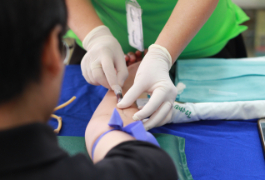
Phlebotomists are trained healthcare professionals who collect blood and other samples for medical tests, blood donations, and research. They confirm each patient's identity, explain what will happen, choose the best spot for the draw, and collect blood into the correct tubes, usually from a vein in the arm, or from a quick finger or heel stick for babies and small children. Then they label every tube exactly right, make sure the samples are stored and transported properly, and record everything in the computer system. They work with laboratory staff, nurses, and doctors, and they are often the only person in the healthcare system that a patient meets face to face on the way to their test results. Some Phlebotomists work in hospitals and walk the floors with a cart. Others work in outpatient labs, clinics, blood donation centers, or travel to patients' homes.
To do this work, Phlebotomists use needles and tubes that are designed for safe collection, tourniquets, gloves, bandages, hand-held scanners, and computer systems that match each patient with each sample. Some also use special devices that shine light to make veins easier to see. They need a firm grasp of anatomy, infection control, and safety rules. Their work matters because nearly every major medical decision, from diagnosing an infection to adjusting a medication or checking on a cancer treatment, depends on lab results that start with a good sample. When a Phlebotomist does the job well, the patient is comfortable, the sample is accurate, and the doctor gets the answers they need.
- Helping nervous patients feel calm and cared for, often in just a few minutes, and earning their thanks
- Being a key link in the chain of patient care, since lab results guide many of the most important medical decisions
- Getting into healthcare with short, focused training and seeing results of your skill right away, one successful draw at a time
- Having plenty of paths forward, whether you stay and master the craft or use it as a stepping stone to nursing, lab science, or other health careers
Working Schedule
Most Phlebotomists work full-time, though part-time and per diem (as-needed) schedules are common. The hours depend on the setting. In outpatient labs and doctors' offices, hours are often early in the morning, because many patients are asked to fast before a blood test, so waiting rooms are busiest at opening. Hospital Phlebotomists often start before sunrise to collect the morning blood draws from patients on each unit, and hospitals need staff on evenings, nights, weekends, and holidays to handle emergencies. Blood donation centers have shifts that include evenings and weekends, and may send teams out to community blood drives at schools, workplaces, and community centers. Mobile Phlebotomists drive to patients' homes, workplaces, or nursing facilities and may set their own route for the day. In nearly every setting, Phlebotomists spend most of the day on their feet, moving from patient to patient, often pushing a cart or carrying a tray of supplies. Work is steady and sometimes fast-paced, with a line of patients waiting or a long list of draws to complete on the hospital floors.
Typical Duties
- Greeting patients, confirming their identity with at least two identifiers, and checking the lab order for the correct tests
- Explaining the procedure in simple terms and answering questions to put patients at ease
- Choosing an appropriate vein and cleaning the site, using safe and sterile technique
- Collecting blood by venipuncture, or by a skin puncture such as a finger or heel stick when needed
- Filling the right tubes in the right order, which prevents chemicals from one tube from affecting the results of another
- Labeling every sample at the bedside or chair, including patient name, date, time, and collector information
- Watching for problems such as fainting, bruising, or bleeding, and responding quickly and calmly
- Applying pressure and bandages, and giving after-care instructions
- Processing, sorting, and preparing samples for transport to the lab, including centrifuging them when required
- Entering information into the lab or hospital computer system and scanning barcodes to track samples
- Collecting other specimens, such as urine or throat swabs, or helping with tests such as glucose or drug testing, depending on the employer
- Cleaning and restocking the draw area, disposing of needles in sharps containers, and following infection control rules
Additional Responsibilities
- Training new staff or students who are learning phlebotomy
- Helping patients who are especially anxious, such as children, people with a fear of needles, or patients with disabilities
- Collecting samples for blood donation, including checking donor eligibility and monitoring donors afterward, in blood center roles
- Following state and federal rules about patient privacy, workplace safety, and handling of blood and body fluids
- Keeping track of supplies and ordering new tubes, needles, gloves, and other items
- Taking part in quality checks, safety training, and reporting any errors or exposure incidents
- Helping with point-of-care tests, such as quick finger-stick checks, when trained and approved to do so
- Serving as a lead or supervisor who schedules staff, answers questions, and handles patient concerns
A hospital Phlebotomist's morning begins early. After checking the list of blood draws that were ordered overnight, they gather their cart, gloves, tubes, labels, and handheld scanner, and head for the patient floors. At each room, they knock, introduce themselves, scan the patient's wristband, and ask them to state their name and birthday. They explain what is about to happen, find a good vein, and collect the right tubes in the right order. A patient who is sleepy and cranky gets a gentle voice and a quick, careful draw. A child who is afraid gets a funny story, a sticker, and a parent to hold on to. Each sample is labeled right in the room, scanned into the system, and set into the transport bag before moving on to the next patient.
Mid-morning might bring the unexpected. The emergency department calls for an urgent draw on a patient who has chest pain, and the Phlebotomist hurries down to collect the sample and deliver it straight to the lab. On the way back, they may be called to help a patient whose veins are hard to find. They try a different spot, use a warm pack to help the vein, and, if needed, ask a colleague for a second opinion. Another patient feels faint, so the Phlebotomist lowers the chair, puts a cool cloth on their forehead, and stays with them until they feel better.
By the afternoon, a Phlebotomist may work in the outpatient lab, where people arrive with their lab orders for cholesterol, thyroid, or blood sugar tests. They check in each patient, collect the blood, and drop the samples off at the processing area. Between patients, they restock supplies, clean the chair and counter, and check that the sharps container is not too full. Near the end of the shift, they review a final list of draws, hand off any pending samples to the next shift, and make sure everything is properly recorded. They leave knowing that each tube they filled will help a doctor somewhere care for a patient.
Soft Skills
- Warm, calming communication with patients, including children, older adults, and people who are afraid of needles
- Steady hands and confidence, so patients trust you
- Close attention to detail, since a mislabeled tube can lead to serious errors
- Patience with patients who are anxious, in pain, or hard to draw
- Quick thinking in unexpected situations, such as a patient who faints
- Respect for privacy, patient dignity, and cultural differences
- Teamwork with nurses, lab staff, doctors, and front desk staff
- Organization and time management, to keep up with many patients and orders
- Dependability and honesty, including speaking up if you make a mistake or a patient seems unwell
- Emotional resilience in dealing with sick patients, difficult days, and patients who are upset
- Physical stamina for standing, walking, and bending for most of the shift
- A willingness to keep learning and to ask for help on tough draws
Technical Skills
- Knowledge of the veins of the arm, hand, and other draw sites, and how to find them
- Venipuncture techniques with needles, butterfly sets, and syringes, as well as skin puncture methods for babies and small children
- Understanding of the order of draw, tube types, additives, and why each test needs a particular tube
- Infection control, standard precautions, and safe handling and disposal of needles and other sharps
- Correct patient identification and specimen labeling procedures
- Specimen handling, including how long samples can wait, which ones need to be kept cold or protected from light, and how to spin and transport them
- Basic anatomy, physiology, and medical terminology related to blood and the circulatory system
- Use of electronic lab ordering, barcode scanning, and records systems
- Knowledge of legal and ethical issues, including patient consent, privacy, and workplace safety rules
- Emergency responses, such as basic first aid, CPR, and handling fainting or needlestick injuries
- Hospital Phlebotomist: Collects blood from inpatients on the floors, in the emergency department, and in intensive care, often on early morning rounds
- Outpatient Lab Phlebotomist: Works in a draw station or lab, seeing patients who come in with orders from their doctors
- Pediatric Phlebotomist: Specializes in drawing blood from babies, children, and teens, using heel sticks, child-friendly approaches, and distraction techniques
- Blood Donor Phlebotomist: Works at blood centers or blood drives, collecting whole blood and other donations from volunteer donors
- Mobile Phlebotomist: Travels to homes, workplaces, nursing facilities, and events to collect samples for labs and health screenings
- Insurance and Paramedical Examiner: Visits clients to collect blood and other health information for insurance or employment screening
- Research Phlebotomist: Collects specialized samples for clinical studies and follows detailed study protocols
- Lead or Supervisor Phlebotomist: Oversees a team of phlebotomists, handles scheduling and training, and ensures quality and safety
- Hospitals and medical centers
- Outpatient lab draw stations
- Large national diagnostic laboratory companies
- Doctors' offices and clinics
- Blood donation centers and blood banks
- Children's hospitals
- Dialysis centers and cancer treatment centers
- Nursing homes and long-term care facilities
- Mobile and at-home phlebotomy services
- Plasma and cell collection centers
- Research hospitals, universities, and clinical trial sites
- Military, Veterans Affairs, and public health agencies
Phlebotomy is a hands-on job that comes with real demands. You will work with needles and blood every day, so you need to be comfortable with both and willing to follow strict safety rules to protect yourself and your patients. Even with careful practice, there is a small risk of an accidental needlestick or exposure to infections, which is why Phlebotomists are expected to keep their vaccines up to date, wear gloves, and report any incident right away. Not everyone enjoys the sight of blood, and some people feel faint themselves. If you often feel queasy around needles or blood, it is worth testing out your comfort level with first aid classes or volunteering before you commit to training.
Patients are not always easy to work with. Some are afraid of needles, in pain, or in a bad mood, and a few have veins that are very hard to find. Some patients faint, which can happen suddenly, and the Phlebotomist must be ready to catch them or respond. You may sometimes need to try again or ask a colleague for help, and you will need to stay patient and keep a calm face even when a draw does not go perfectly. The job also involves long stretches of standing and walking, repeated hand and wrist motions, and early starts. Hospitals and blood centers also require evening, night, weekend, and holiday shifts.
Training is short compared with many healthcare careers, but you still have costs and requirements. Many programs require a background check, proof of vaccinations, and sometimes a drug screen before you can begin clinical practice, and you will need to pay for tuition, books, scrubs, and exam fees. In some states, you must also apply for a state certification or license, and employers may expect national certification. Those who thrive in this career are calm, gentle, and organized, and they feel proud of their skills and of the trust patients place in them.
- Safer needles and collection devices, designed to prevent accidental sticks and reduce exposure to blood
- Vein-finding technology, such as devices that shine near-infrared light to show the veins beneath the skin, which can be especially helpful for hard-to-draw patients
- Barcode patient identification and electronic labeling, which help prevent mislabeled samples and mix-ups
- Growth of mobile and at-home phlebotomy, where trained staff travel to patients who cannot easily visit a lab
- Direct-to-consumer lab testing and wellness testing, which brings more patients to draw stations
- Small-volume and fingertip blood collection devices that let some tests be done at home or in the clinic with only a few drops of blood
- Point-of-care testing, in which quick results are available in the clinic or at the bedside, sometimes performed by trained phlebotomists
- Automation in labs, including tube labelers, sorters, and pneumatic tube systems, that speed up how samples travel through the hospital
- Increased focus on patient experience, such as trauma-informed care, comfort measures, and special approaches for children and people with disabilities
- Expanding roles for experienced phlebotomists in specimen collection leadership, training, and quality improvement
Many Phlebotomists were kids who loved helping and caring for others. They were the ones who brought a friend to the school nurse, put bandages on stuffed animals, or played doctor with their toys. They tended to be friendly and calm, and they were often the person others went to for comfort when something went wrong. Some were interested in science and enjoyed biology, health class, and watching medical shows. Others liked tasks that required steady hands and careful focus, like building models, doing crafts, or playing musical instruments.
Others came to the field after volunteering at a hospital or after having a good experience with a Phlebotomist as a patient. Some had a family member who was often in and out of the hospital, and they noticed how much a gentle, skilled caregiver can mean. Many were organized and responsible kids who liked having a clear job to do and doing it well. They found that phlebotomy gave them a way to help people quickly, directly, and in a very personal way.
Most Phlebotomists begin with a high school diploma or GED and then complete a phlebotomy training program, which is offered by community colleges, technical and vocational schools, hospitals, and some adult education centers. Programs are usually short, often lasting a few weeks to a few months, and lead to a certificate. Students learn the basics of anatomy, infection control, safety, and laboratory procedures, then practice with training arms, and finally perform supervised blood draws on real patients during a clinical placement. Some programs are part of a longer medical assistant or medical lab program. Look for programs recognized by a certifying organization or accredited by the National Accrediting Agency for Clinical Laboratory Sciences (NAACLS).
Requirements to work as a Phlebotomist vary by state. A small number of states, including California, Louisiana, Nevada, and Washington, have their own state certification, license, or approval requirements, and the details differ in each place. In other states, certification is not legally required, but most employers strongly prefer or require national certification. Major certifying groups include the National Healthcareer Association (NHA), which offers the Certified Phlebotomy Technician (CPT); the American Society for Clinical Pathology (ASCP), which offers the Phlebotomy Technician PBT(ASCP) credential; American Medical Technologists (AMT), which offers the Registered Phlebotomy Technician (RPT); the National Center for Competency Testing (NCCT), which offers the National Certified Phlebotomy Technician (NCPT); and others, such as the National Phlebotomy Association and the American Medical Certification Association. Each group has its own eligibility rules, such as completing an approved training program with a clinical component or having work experience, and each requires passing an exam. Always check your state's health department or licensing board before choosing a program, so you know exactly what you need.
Students can take courses in relevant subjects such as:
- Human Anatomy and Physiology
- Medical Terminology
- Introduction to Healthcare and Patient Care
- Phlebotomy Techniques and Specimen Collection
- Infection Control and Safety (Bloodborne Pathogens)
- Basic Laboratory Procedures
- Legal and Ethical Issues in Healthcare
- Communication and Customer Service
- CPR and First Aid
- Medical Records and Computer Skills
Hands-on practice is the heart of learning phlebotomy. You will practice drawing blood on training arms, then on classmates or volunteers in some programs, and then during your clinical placement, you will perform many supervised blood draws and skin punctures on real patients. Many programs also require proof of vaccines, a background check, and CPR certification before you can begin working with patients. Employers often hire students who performed well during clinical placements.
Learning does not stop with your first job. Phlebotomists keep up with new safety rules and equipment, renew their certifications, and may complete continuing education. Some use their phlebotomy experience as a stepping stone to lab, nursing, or other healthcare programs.
- Take biology, anatomy, chemistry, and health science courses, which build the knowledge you will use every day
- Join HOSA - Future Health Professionals or a health occupations club, and try a skill event or health career exploration activity
- Ask your school or career center whether you can take a health science or phlebotomy course, including dual enrollment with a community college
- Get CPR and first aid certified, and consider volunteering with the Red Cross or a similar group
- Volunteer at a hospital, clinic, blood drive, or nursing home to get comfortable around patients and the healthcare setting
- Test your comfort around needles and blood by talking with a Phlebotomist, observing a draw if allowed, or giving blood when you are old enough, with a parent's permission when needed
- Practice calm and friendly communication by working in customer service, tutoring, or camp counseling
- Build steady hands and detail skills through hobbies like drawing, crafts, or model building
- Research your state's requirements for phlebotomists, and ask local employers which certifications they prefer
- Keep your vaccinations up to date and learn about hepatitis B vaccination, since many programs and employers require it
- Maintain a clean record, because many programs and employers require background checks
- Think ahead about where phlebotomy could lead, whether that is nursing, medical lab science, radiology, or another health career, and plan your education accordingly
- Accreditation by NAACLS or approval from a recognized body, or clear evidence that graduates are eligible for national certification exams
- Approval by your state, if you live in a state with phlebotomy training rules
- A clinical placement with enough supervised venipunctures and skin punctures to build real confidence
- High certification exam pass rates and strong job placement rates
- Instructors who are experienced Phlebotomists, nurses, or lab professionals
- Plenty of hands-on practice time, with training arms and supervised practice before working with patients
- Coverage of safety, infection control, patient identification, and customer service, as well as the technical skills
- Clear information about requirements such as vaccines, background checks, drug screens, and uniform costs
- Help with exam registration, study materials, and test preparation
- Career services and relationships with local hospitals, labs, and blood centers
- Fair costs, with a clear total for tuition, books, supplies, and exam fees, plus financial aid options
- Flexible schedules, such as evening or weekend classes, and a pathway to credits toward a medical assistant, lab technician, or nursing program
- Complete your training program and clinical placement, and earn your national certification, and any required state credential, as soon as you can
- Treat your clinical placement as a long job interview by being on time, asking questions, volunteering to help, and staying positive
- Search for Phlebotomist, Phlebotomy Technician, Patient Service Technician, Donor Technician, and Lab Assistant jobs on job boards, hospital career pages, and national lab company websites
- Apply to different settings, such as hospitals, outpatient labs, blood donation centers, and mobile services, to find the work style that suits you
- Write a clear resume that lists your training, number of supervised draws, certifications, CPR credential, and any customer service or volunteer experience
- Stay in touch with instructors, classmates, and clinical supervisors, since many jobs come through personal connections
- Be honest on your application and background check, and keep your vaccination records and certificates organized
- Prepare for interview questions such as how you would calm an anxious patient, what you would do if a patient fainted, and how you would handle a mislabeled sample
- Show your attention to detail and your safety habits in your interviews, and talk about your calm and caring approach
- Ask about training, mentoring, and how many draws are typical in a shift so that you know what to expect
- Keep your social media professional and never share patient information
- Be willing to start with early morning or part-time shifts, which can help you build experience quickly
- Build a reputation for gentle, accurate draws, even with difficult patients, and ask coworkers for feedback on your technique
- Add training in pediatric draws, point-of-care testing, or specimen processing, to become the go-to person for tough cases
- Earn additional certifications or renew yours on time, and keep learning about new safety practices
- Apply for lead phlebotomist, supervisor, trainer, or lab assistant roles that involve scheduling, teaching, and quality checks
- Move into related roles in lab specimen processing, blood bank collections, patient care, or clinical research
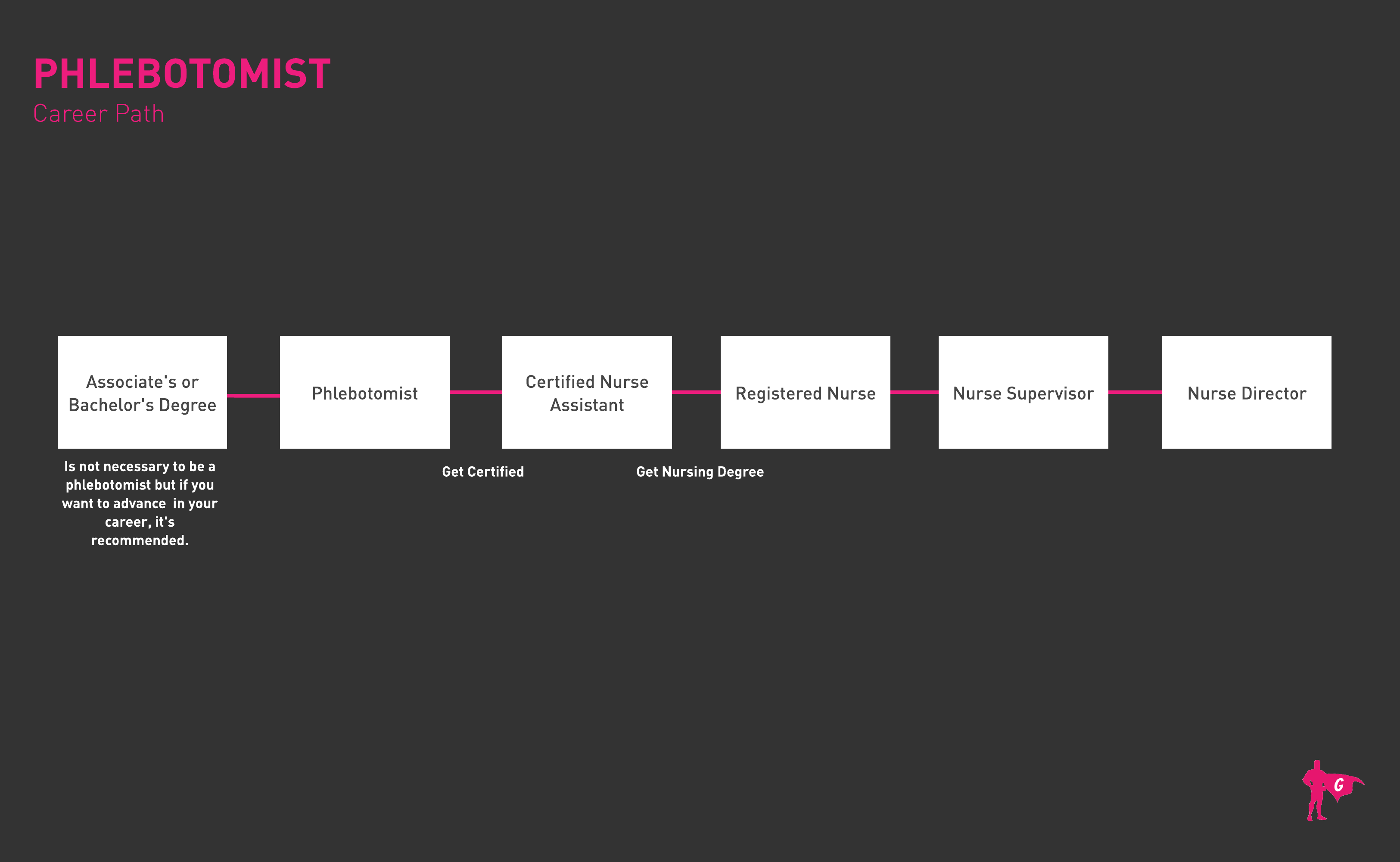
- Use tuition assistance from your employer, if offered, to take classes toward an associate or bachelor's degree
- Consider becoming a medical laboratory technician, medical laboratory scientist, nurse, or other health professional by building on your experience
- Join a professional group to meet others, learn about trends, and share your skills with new Phlebotomists
Websites:
- National Healthcareer Association (NHA) - nhanow.com
- American Society for Clinical Pathology (ASCP) - ascp.org
- American Medical Technologists (AMT) - americanmedtech.org
- National Center for Competency Testing (NCCT) - ncctinc.com
- National Phlebotomy Association (NPA) - nationalphlebotomy.org
- American Medical Certification Association (AMCA) - amcaexams.com
- National Accrediting Agency for Clinical Laboratory Sciences (NAACLS) - naacls.org
- American Society for Clinical Laboratory Science (ASCLS) - ascls.org
- Clinical and Laboratory Standards Institute (CLSI) - clsi.org
- AABB, the blood banking and transfusion organization - aabb.org
- American Red Cross - redcross.org
- Center for Phlebotomy Education - phlebotomy.com
- MedlinePlus Lab Tests, patient-friendly lab test information from the National Library of Medicine - medlineplus.gov/lab-tests
- HOSA - Future Health Professionals - hosa.org
Books:
- Phlebotomy Essentials by Ruth E. McCall
- Hartman's Complete Guide for the Phlebotomy Technician by Hartman Publishing
- Phlebotomy Handbook by Diana Garza and Kathleen Becan-McBride
- Phlebotomy: Worktext and Procedures Manual by Robin S. Warekois and Richard Robinson
- Complete Textbook of Phlebotomy by Lynn B. Hoeltke
If you find that being a Phlebotomist isn't the right fit, your interest in patient care and laboratory medicine can lead to many other rewarding careers.
- Medical Laboratory Technician
- Medical Laboratory Scientist
- Medical Assistant
- Patient Care Technician
- Certified Nursing Assistant
- Emergency Medical Technician
- Licensed Practical Nurse
- Registered Nurse
- Pharmacy Technician
- Surgical Technologist
Being a phlebotomist is a rewarding entry position for those interested in the health field. It is relatively easy to get started and can provide you with resources to improve your education and find higher paying jobs. If you are interested in nursing or a similar career, it can provide an excellent base knowledge to help you.
Newsfeed

Featured Jobs
Online Courses and Tools
Annual Salary Expectations
New workers start around $46K. Median pay is $49K per year. Highly experienced workers can earn around $59K.