






Spotlights
Physical Therapist (PT), Doctor of Physical Therapy (DPT), Orthopedic Physical Therapist, Sports Physical Therapist, Pediatric Physical Therapist, Neurologic Physical Therapist, Geriatric Physical Therapist, Acute Care Physical Therapist, Home Health Physical Therapist, Outpatient Physical Therapist, Pelvic Health Physical Therapist, Board-Certified Clinical Specialist
A high school soccer player tears a knee ligament and wonders if she will ever play again. A grandfather has a stroke and cannot lift his arm to hug his granddaughter. A toddler with cerebral palsy is working toward taking his first steps. A runner has pain that no one can explain. In each case, a Physical Therapist is the expert who figures out why the body is not moving the way it should, builds a plan to fix it, and walks the patient through the long, hard, hopeful road to getting back what matters. They help people move, reduce pain, and live fuller lives, one stretch, step, and success at a time.
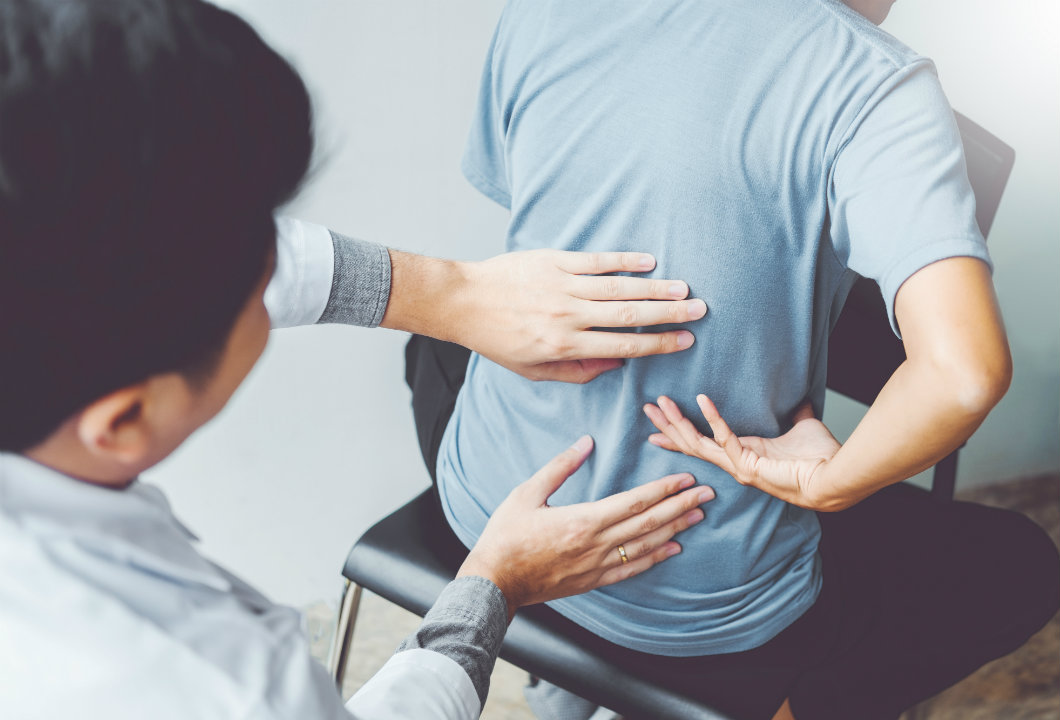
Physical Therapists, often called PTs, are healthcare professionals with a doctoral degree who examine how a patient moves and function, diagnose movement problems, and design a personalized plan of care. They watch people walk, bend, reach, and balance, test strength and range of motion, listen carefully to their stories, and then pick the best treatments. These might include targeted exercises, hands-on techniques, balance and gait training, education about pain and healthy movement, and equipment such as braces, walkers, or electrical stimulation. PTs treat people of all ages for conditions ranging from sports injuries and back pain to strokes, surgeries, arthritis, and chronic illness. They also teach patients and families how to prevent injuries and stay active. In many clinics, a PT leads a team that includes physical therapist assistants and aides, who carry out parts of the plan, while the PT does the evaluations and decides when to change course.
To do this work, PTs rely on a deep understanding of anatomy, biomechanics, and how the nervous system relearns movement. They use exercise equipment, parallel bars, treadmills, balance tools, ultrasound and electrical stimulation machines, and increasingly digital tools like motion sensors, video analysis, and telehealth platforms. Their work matters because moving freely is something most people take for granted until they lose it. A great PT does more than treat an injury. They restore independence and confidence, help patients return to jobs and sports, and keep older adults safe and active, often without the need for surgery or long-term medication.
- Helping people recover from injuries, surgeries, and illnesses and seeing real progress from one visit to the next
- Building meaningful, long-term relationships with patients and cheering them on as they reach their goals
- Doing active, hands-on work that blends science, creativity, and teaching instead of sitting at a desk all day
- Having many paths to choose from, including sports, pediatrics, neurology, women's health, hospitals, home care, and your own practice
"Continued learning of my field of interest (human anatomy and function), and in depth connection with individuals needing help to regain function of their bodies" Tommy Wong, Physical Therapist and Naval Officer, US Navy
Working Schedule
Most Physical Therapists work full-time, though part-time and flexible schedules are common. Outpatient clinics, where many PTs work, often keep regular business hours with early mornings or evenings to fit patients' school and work schedules, and some include Saturdays. Hospital and rehabilitation PTs may work weekends and holidays, and home health PTs travel from house to house during the day. PTs in schools follow the school calendar, and PTs who treat athletes may work games and events. PTs are on their feet for much of the day, kneeling, bending, demonstrating exercises, guiding patients through movements, and sometimes helping lift or steady a patient. A typical visit lasts 30 to 60 minutes, and many PTs see patients one-on-one in a series of back-to-back appointments, with time set aside for notes. Some PTs own their practices, work as traveling therapists on temporary assignments, or provide care by video, which gives them more control over where and when they work.
Typical Duties
- Reviewing a patient's medical history, referrals, test results, and goals before the first visit
- Examining how a patient moves, including posture, strength, balance, flexibility, and the way they walk
- Diagnosing movement problems and deciding which treatments are likely to help
- Creating an individualized plan of care with clear goals and a timeline
- Teaching exercises and stretches and coaching patients through them with correct form
- Using hands-on techniques such as joint mobilization and soft tissue work to ease pain and improve movement
- Using tools like ultrasound, heat, cold, and electrical stimulation when they help a patient heal
- Training patients to use walkers, canes, wheelchairs, braces, or prosthetic limbs safely
- Tracking progress with measurements and tests, and updating the plan as the patient improves
- Educating patients and families about the injury, home exercise, pain, and how to prevent problems
- Supervising physical therapist assistants and aides and coordinating with doctors, nurses, and other therapists
- Documenting every visit, outcomes, and billing details in the electronic health record
Additional Responsibilities
- Developing wellness and injury prevention programs for schools, workplaces, teams, and community groups
- Adapting homes, workstations, and equipment to help patients return to daily life or work
- Referring patients to doctors, specialists, or other professionals when something outside physical therapy is needed
- Teaching and mentoring physical therapy students, residents, and new colleagues
- Participating in research and applying new evidence to treatment
- Managing staff, schedules, budgets, and clinic operations, if you lead a team or own a practice
- Completing continuing education to keep a license current and develop advanced skills
"I see patients everyday for their injuries and pain. I take anywhere from 30-90 minutes with each person, and sometimes I am juggling multiple people simultaneously. I coordinate with colleagues so everyone is taken care of, and I take care of other non-clinical tasks that involve smooth operation of the clinic, such as reviewing the performance of other staff and attending trainings." Tommy Wong, Physical Therapist and Naval Officer, US Navy
A Physical Therapist in an outpatient orthopedic clinic might arrive early to review the day's schedule and chart notes. The first patient is a high school athlete three months out from knee surgery. The PT checks the knee's swelling and motion, has the athlete do squats and single-leg balance exercises, and watches for compensations, such as the hip dropping or the foot turning out. They decide the athlete is ready for light jogging on the treadmill, show them how to do it safely, and update the home program. Next is a middle-aged office worker with shoulder pain. The PT tests the shoulder in different positions, discovers a weak muscle that is making the pain worse, and teaches a few targeted exercises.
Midmorning might bring a new patient who recently had a stroke and is working on walking again. The PT guides the patient along the parallel bars, gives hands-on support to help the weak leg swing through, and sets goals for climbing stairs at home. Another visit could be a follow-up with an older adult who has had two falls. The PT tests balance, reviews the home environment, and designs a program to improve strength and safety. Throughout the day, the PT collaborates with a physical therapist assistant who is leading some patients through exercises, checks in on their progress, and adjusts plans as needed.
Afternoons include more evaluations and treatment sessions, along with phone calls to surgeons and primary care providers. The PT writes detailed notes about what each patient did, how they responded, and what comes next. They may stay late to teach a student, meet with a patient's family, or lead a free community balance class. When the day ends, they have helped a dozen people take another step toward the lives they want.
"I see patients everyday for their injuries and pain. I take anywhere from 30-90 minutes with each person, and sometimes I am juggling multiple people simultaneously. I coordinate with colleagues so everyone is taken care of, and I take care of other non-clinical tasks that involve smooth operation of the clinic, such as reviewing the performance of other staff and attending trainings." Tommy Wong, Physical Therapist and Naval Officer, US Navy
Soft Skills
- Compassion and patience with patients who are in pain, frustrated, or afraid
- Clear, motivating communication that explains the plan and encourages effort
- Careful observation, since small movement patterns can reveal big problems
- Clinical reasoning and problem solving to figure out why a patient is struggling and what will help
- Teaching skills that make exercises and recovery plans easy to understand and follow
- Teamwork with doctors, nurses, assistants, and other therapists
- Creativity in making exercises fun, relevant, and doable for each patient
- Physical stamina and body awareness to stay safe while helping others move
- Empathy and cultural sensitivity when working with people from many backgrounds
- Time management when balancing back-to-back patients and detailed documentation
- Professionalism and ethical judgment, including honesty about what treatment can and cannot do
- Persistence and a growth mindset, because recovery is rarely a straight line
Technical Skills
- Strong knowledge of human anatomy, physiology, and biomechanics
- Understanding of the nervous, muscular, skeletal, cardiovascular, and respiratory systems and how conditions affect them
- Examination skills, including measuring strength, range of motion, balance, and gait
- Therapeutic exercise prescription for strength, endurance, mobility, and coordination
- Manual therapy techniques such as joint mobilization and soft tissue work
- Use of modalities such as ultrasound, electrical stimulation, heat, and cold
- Knowledge of assistive devices, braces, and prosthetics and how to fit and train patients with them
- Interpreting medical records, imaging reports, and test results to guide care
- Using electronic health records, outcome measures, and telehealth tools
- Understanding evidence-based practice, including how to read research and apply it with real patients
- Orthopedic Physical Therapist: Treats bones, joints, muscles, and tendons, helping patients recover from fractures, surgeries, sprains, and back and neck pain
- Sports Physical Therapist: Works with athletes to treat injuries, improve performance, and guide safe returns to play
- Neurologic Physical Therapist: Helps patients with stroke, spinal cord injury, Parkinson's disease, multiple sclerosis, and brain injury relearn movement
- Pediatric Physical Therapist: Works with infants, children, and teens who have developmental delays, genetic conditions, or injuries, often in schools and early intervention programs
- Geriatric Physical Therapist: Focuses on older adults, helping them with balance, strength, arthritis, and fall prevention
- Cardiovascular and Pulmonary Physical Therapist: Helps patients recover from heart attacks, heart surgery, and lung disease through carefully monitored exercise
- Women's and Pelvic Health Physical Therapist: Treats pregnancy-related pain, postpartum recovery, pelvic floor problems, and related conditions in all genders
- Acute Care and Oncology Physical Therapist: Works in hospitals, getting very sick patients and people with cancer moving safely while they heal
- Outpatient clinics and private practices
- Hospitals and acute care centers
- Inpatient rehabilitation hospitals
- Skilled nursing and long-term care facilities
- Home health agencies
- Schools and early intervention programs
- Sports teams, athletic training facilities, and performing arts companies
- Cardiac and pulmonary rehabilitation centers
- Veterans Affairs hospitals and military medical facilities
- Fitness, wellness, and workplace health programs
- Universities and DPT programs, where PTs teach and do research
- Medical device and health technology companies
Becoming a Physical Therapist takes about seven years of college and graduate education after high school, and in most cases a bachelor's degree is followed by a three-year Doctor of Physical Therapy program. Admission is competitive, and most programs expect strong grades in science courses, observation hours with a licensed PT, and thoughtful application materials. The cost of doctoral education is significant, and many graduates carry student loans, so it is important to research programs and costs. Some students choose to start as physical therapist assistants first, or to attend combined programs that shorten the path.
On the job, the work is physically demanding. PTs spend most of the day on their feet, bend and kneel to examine patients, and sometimes lift or support people during exercises. Good body mechanics and self-care are essential for avoiding injury. Many PTs also feel pressure from busy schedules, insurance rules, and paperwork, since the time spent documenting care can cut into time with patients. Schedules vary by setting, and some PTs work evenings, weekends, or travel between patients' homes. Progress with patients can be slow, and PTs must stay encouraging even when a patient is frustrated or recovery is uncertain.
The rewards can be tremendous. Many PTs say the best moments come when a patient who could not walk takes their first steps, or an athlete returns to the field, or an older adult finally feels safe in their own home. The PTs who thrive are patient, energetic, curious, and genuinely interested in people. They enjoy teaching, keep learning throughout their careers, and take pride in helping others reclaim their independence.
- An aging population is increasing demand for services that help older adults stay strong, balanced, and independent
- Patients can see a PT for evaluation without a physician referral in every state, though the rules vary, which has made PTs a first stop for pain and injury
- Telehealth and remote therapy let PTs guide patients by video and check progress between in-person visits
- Wearable sensors, motion capture, and smartphone apps are giving PTs detailed data about how patients move
- Rehabilitation technology such as robotic gait trainers, exoskeletons, and virtual reality games is helping patients with neurologic injuries practice more intensively
- Pain science education, which teaches patients how pain works in the nervous system, is changing how PTs treat chronic pain
- More PTs are focusing on prevention and wellness, including fall prevention, workplace ergonomics, and exercise as medicine for chronic conditions
- Specialized areas such as pelvic health, concussion care, oncology rehabilitation, and cardiac rehabilitation are growing quickly
- The Physical Therapy Licensure Compact is helping PTs practice across participating states more easily
- Artificial intelligence tools are starting to assist with documentation and exercise planning, freeing PTs to spend more time with patients
Many Physical Therapists were active kids who loved sports, dance, martial arts, gymnastics, or the outdoors. They paid attention to how their own bodies worked, and some became interested in rehabilitation after an injury of their own, when a physical therapist helped them get back in the game. They were often curious about science, especially biology, anatomy, and physics, and liked figuring out how muscles, bones, and joints work together. Many were coaches, team captains, or the friend who always gave helpful advice on technique.
Others were drawn to the career by a love of helping people. They volunteered at hospitals or nursing homes, cared for a grandparent after a stroke, or spent time with kids with disabilities. Many enjoyed teaching or tutoring younger students and were patient and encouraging. Most were naturally optimistic, with a strong work ethic and the determination to see a challenge through, which are exactly the qualities that help patients get better.
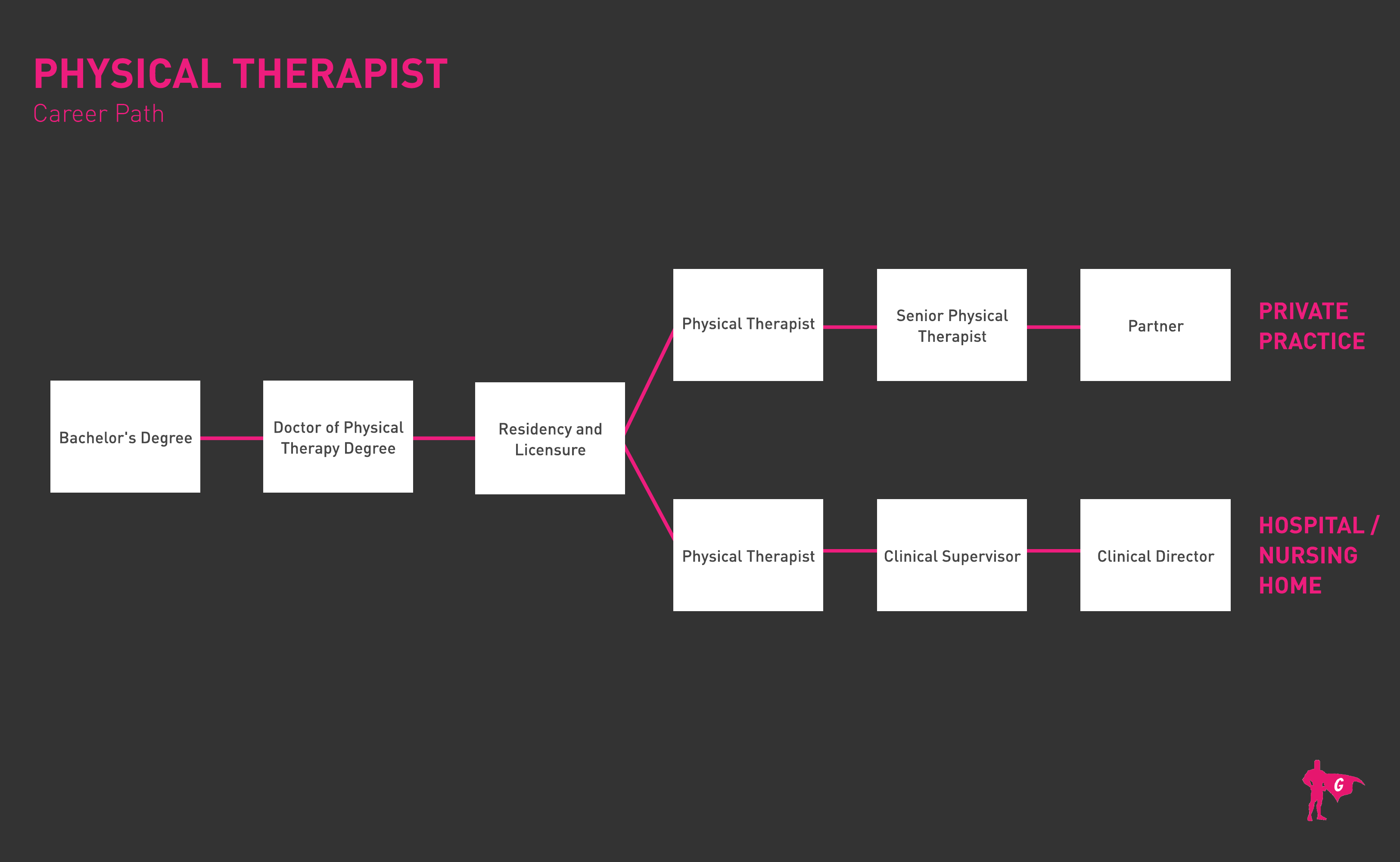
To become a Physical Therapist, you must earn a Doctor of Physical Therapy (DPT) degree from a program accredited by the Commission on Accreditation in Physical Therapy Education (CAPTE) and then pass the national licensing exam. Most students first earn a bachelor's degree in a field such as kinesiology, exercise science, biology, or health science, though any major is fine as long as you complete the required science prerequisites. These typically include anatomy and physiology, chemistry, physics, biology, statistics, and psychology. The DPT program is usually three years of full-time study. Some universities offer freshman-entry or 3+3 programs that combine undergraduate and doctoral study, which can save a year, and some programs are designed for physical therapist assistants who want to advance.
Most DPT applicants apply through the Physical Therapist Centralized Application Service (PTCAS), which lets you send one application to many programs. Programs usually ask for transcripts, recommendation letters, an essay, and observation or volunteer hours with a licensed PT, and some still require the GRE while others have dropped it. The DPT curriculum combines classroom and lab learning in anatomy, neuroscience, biomechanics, pharmacology, exercise science, and clinical decision making with several full-time clinical rotations, in which students treat real patients under the supervision of experienced PTs.
To practice, every state requires a license. Graduates must pass the National Physical Therapy Examination (NPTE), which is developed by the Federation of State Boards of Physical Therapy, and many states also require a law exam and a background check. A growing number of states participate in the Physical Therapy Licensure Compact, which makes it easier for licensed PTs to work in more than one state, but each state sets its own rules, so check with the state board where you plan to work. After licensure, PTs can start working right away. Residency and fellowship programs are optional, advanced training in a clinical area, and they are accredited by the American Board of Physical Therapy Residency and Fellowship Education. Residencies cover areas such as orthopaedics, sports, neurology, pediatrics, geriatrics, pelvic and women's health, oncology, acute care, wound management, and cardiovascular and pulmonary physical therapy, and fellowships go deeper into topics such as orthopaedic manual therapy, sports, spine, and hand therapy.
PTs can also earn board certification as clinical specialists through the American Board of Physical Therapy Specialties in areas such as orthopaedics, sports, neurology, pediatrics, geriatrics, pelvic and women's health, oncology, cardiovascular and pulmonary, clinical electrophysiology, and wound management. Additional credentials are available through other organizations, including hand therapy, strength and conditioning, and wound care.
Students can take courses in relevant subjects such as:
- General Biology
- Human Anatomy and Physiology
- General Chemistry
- Physics
- Kinesiology and Biomechanics
- Exercise Physiology
- Statistics
- Psychology and Human Development
- Neuroscience
- Medical Terminology
Hands-on experience is a key part of the journey. Pre-PT students observe PTs in different settings, volunteer at hospitals, rehab centers, or adaptive sports programs, and often work as physical therapy aides, athletic training assistants, or fitness instructors. In the DPT program, clinical rotations expose students to outpatient, hospital, and rehabilitation settings, and these experiences often lead to job offers.
Learning never stops. PTs complete continuing education to keep their licenses, learn new techniques, and stay current with the evidence that guides treatment.
- Take challenging science and math classes in high school, such as biology, chemistry, physics, anatomy, and statistics
- Take courses in health, psychology, and English, since you will be talking and writing about patients every day
- Join HOSA, a sports medicine club, or a health sciences club to explore healthcare careers
- Ask your own physical therapist, a local clinic, or a school athletic trainer whether you can shadow or observe, and try to see
different settings such as outpatient, hospital, and pediatrics - Volunteer or work in healthcare or fitness settings, such as a rehabilitation center, a nursing home, adaptive sports, a youth sports program, or as a physical therapy aide
- Stay active yourself by playing sports, lifting, dancing, or practicing yoga, since you will teach movement better when you love it
- In college, major in something you enjoy and complete the prerequisites, while working to earn strong grades, especially in the sciences
- Look closely at the requirements of several DPT programs, including observation hours, the GRE, and deadlines, so you can plan ahead
- Consider freshman-entry or combined bachelor's and DPT programs only if you are sure about this career
- Take leadership roles in clubs and teams to practice communication and teamwork
- Explore the American Physical Therapy Association's student resources and read about the many areas of specialty
- Learn about the licensing rules in the state where you want to work, and keep your record clean so you can pass the background check
- Accreditation by the Commission on Accreditation in Physical Therapy Education, which is required for licensure
- A strong first-time pass rate on the National Physical Therapy Examination and a high graduation rate
- Quality clinical education, with a variety of rotation settings and well-trained clinical instructors
- Faculty who practice or do research in areas you care about and who invest time in mentoring students
- Modern labs and technology, including motion analysis, simulation, and opportunities to practice with real equipment
- Options for early patient contact, so you begin working with people in your first year
- Strong support for students, including advising, tutoring, and exam preparation
- Residency and fellowship opportunities after graduation, either offered by the program or available in the area
- A reasonable cost, scholarships, and loan repayment programs, including options in the military and public service
- Combined programs, such as freshman-entry or 3+3 tracks, if you are certain about your career choice
- A program whose size, culture, and location fit your needs and the state where you hope to practice
"Passing rate of licensing board, curriculum solely directed at PTs or mixed with other programs (MDs, dentists, etc), quality of internship programs...:" Tommy Wong, Physical Therapist and Naval Officer, US Navy
- Treat every clinical rotation like a long job interview, because many new graduates are offered jobs where they trained
- Build relationships with clinical instructors, classmates, and professors, who often hear about job openings first
- Pass the National Physical Therapy Examination and complete your state licensing requirements as soon as possible after graduation
- Decide what setting you want, such as outpatient orthopedics, hospital, pediatrics, home health, or sports, and look for employers that provide strong mentorship for new graduates
- Consider a residency if you want advanced skills in a specialty, since it provides structured mentoring and training for about a year
- Search for jobs on the American Physical Therapy Association's career center, health system career pages, and sites such as Indeed and LinkedIn
- Consider certifications or skills in areas where patients need more PTs, such as pelvic health, neurologic rehabilitation, or pediatrics
- Be flexible about location, since rural communities and underserved areas often have strong openings and sign-on or loan repayment incentives
- Create a polished resume and a professional LinkedIn profile that highlights your clinical experiences and special skills
- Ask about caseload, productivity expectations, mentorship, continuing education support, and schedules before accepting an offer
- Practice interviews by explaining how you would evaluate a patient, how you would motivate someone who is discouraged, and how you would work with an assistant
- Follow up after interviews with a thank-you note and keep in touch with the people you meet
- Build a reputation for excellent patient outcomes, reliability, and caring communication
- Earn advanced certifications or complete a residency or fellowship to become a clinical specialist
- Move into leadership roles such as clinical director, rehabilitation manager, or regional director, where you oversee staff, budgets, and quality
- Open your own practice, if you have an entrepreneurial streak, and learn about business, billing, and marketing
- Teach in a DPT program, mentor students and new graduates, or serve as a clinical instructor
- Pursue research, publish your work, and present at conferences to help advance the field
- Get involved with professional organizations and advocacy to influence policy and shape the profession
"PT is a new and growing field, and the science is always improving and changing. PTs have failed for not staying innovative. The information is out there, and if one is truly passionate about the field, then success will come from the pursuit of learning more." Tommy Wong, Physical Therapist and Naval Officer, US Navy
Websites:
- American Physical Therapy Association (APTA) - apta.org
- ChoosePT, patient education from APTA - choosept.com
- Commission on Accreditation in Physical Therapy Education (CAPTE) - capteonline.org
- Physical Therapist Centralized Application Service (PTCAS) - ptcas.org
- Federation of State Boards of Physical Therapy (FSBPT) - fsbpt.org
- Physical Therapy Licensure Compact - ptcompact.org
- American Board of Physical Therapy Specialties (ABPTS) - specialization.apta.org
- American Board of Physical Therapy Residency and Fellowship Education (ABPTRFE) - abptrfe.apta.org
- Academy of Orthopaedic Physical Therapy - orthopt.org
- Academy of Neurologic Physical Therapy - neuropt.org
- Academy of Pediatric Physical Therapy - pediatricapta.org
- American Academy of Sports Physical Therapy - sportspt.org
- American College of Sports Medicine (ACSM) - acsm.org
- HOSA - Future Health Professionals - hosa.org
Books:
- Introduction to Physical Therapy by Michael A. Pagliarulo
- Therapeutic Exercise: Foundations and Techniques by Carolyn Kisner, Lynn Allen Colby, and John Borstad
- Explain Pain by David S. Butler and G. Lorimer Moseley
- Anatomy Trains: Myofascial Meridians for Manual Therapists and Movement Professionals by Thomas W. Myers
- Gray's Anatomy for Students by Richard L. Drake, A. Wayne Vogl, and Adam W. M. Mitchell
If you find that being a Physical Therapist isn't the right fit, your interest in movement, anatomy, and helping people recover can lead to many other rewarding careers.
- Physical Therapist Assistant
- Occupational Therapist
- Athletic Trainer
- Exercise Physiologist
- Chiropractor
- Prosthetist and Orthotist
- Recreational Therapist
- Speech-Language Pathologist
- Physician Assistant
- Strength and Conditioning Coach
Newsfeed

Featured Jobs
Online Courses and Tools
Annual Salary Expectations
New workers start around $109K. Median pay is $135K per year. Highly experienced workers can earn around $139K.