



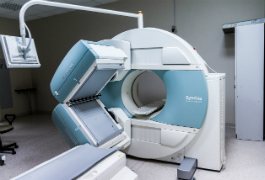


Spotlights
Radiographer, X-Ray Technologist, Radiology Technician, Imaging Technologist, Registered Radiologic Technologist, CT Technologist, MRI Technologist, Mammographer, Interventional Radiography Technologist, Bone Densitometry Technologist, Staff Technologist, Medical Imaging Technologist
Picture a teenager who lands badly on a skateboard, a grandparent who has been coughing for weeks, or a hiker who needs to know whether that ankle is sprained or broken. Before anyone can decide on a cast, a treatment, or a plan, someone has to take the picture that shows what is really going on under the skin. That someone is a Radiologic Technologist. They are the hands-on imaging professionals who turn a scary unknown into a clear image, usually within minutes, and who make sure the patient feels safe and cared for along the way.
Radiologic Technologists, also called radiographers, operate X-ray and other imaging equipment to create images of the body. They greet patients, explain what is going to happen, check the doctor's order, and position each person so the right body part is captured at the right angle. Then they choose the right settings, protect the patient and themselves from unnecessary radiation, take the images, and check that the pictures are sharp enough for a doctor to use. The finished images go to a radiologist, a physician who studies the images and writes the report. Technologists work with radiologists, but they are not the same job: the technologist creates the picture and guides the exam, and the radiologist interprets it. Many Radiologic Technologists keep learning new skills and become specialists in CT (computed tomography), MRI (magnetic resonance imaging), mammography, bone density testing, or procedures in which doctors treat patients while watching live X-ray images.
To do this work, Radiologic Technologists use digital X-ray rooms, portable machines that roll to a patient's bedside, C-arms that swing around a patient in the operating room, CT scanners, and computer systems that store and send images across a hospital. They draw on anatomy, physics, and patient care skills, and they need steady hands, quick thinking, and a calm voice. The work matters because almost every major medical decision, from fixing a fracture to finding a tumor to checking a newborn's lungs, starts with a good image, and a good image starts with a skilled technologist.
- Helping people on some of their hardest days, whether that means calming a frightened child, comforting someone in pain, or catching a problem early
- Staying active and on your feet in a job that mixes technology, science, and constant teamwork instead of a desk and a single screen
- Building a career with many doors, since you can add specialties such as CT, MRI, or mammography, or move into teaching, leadership, or equipment training
- Joining a profession that is needed in hospitals, clinics, and communities almost everywhere, so you can find work in many places and many types of settings
Working Schedule
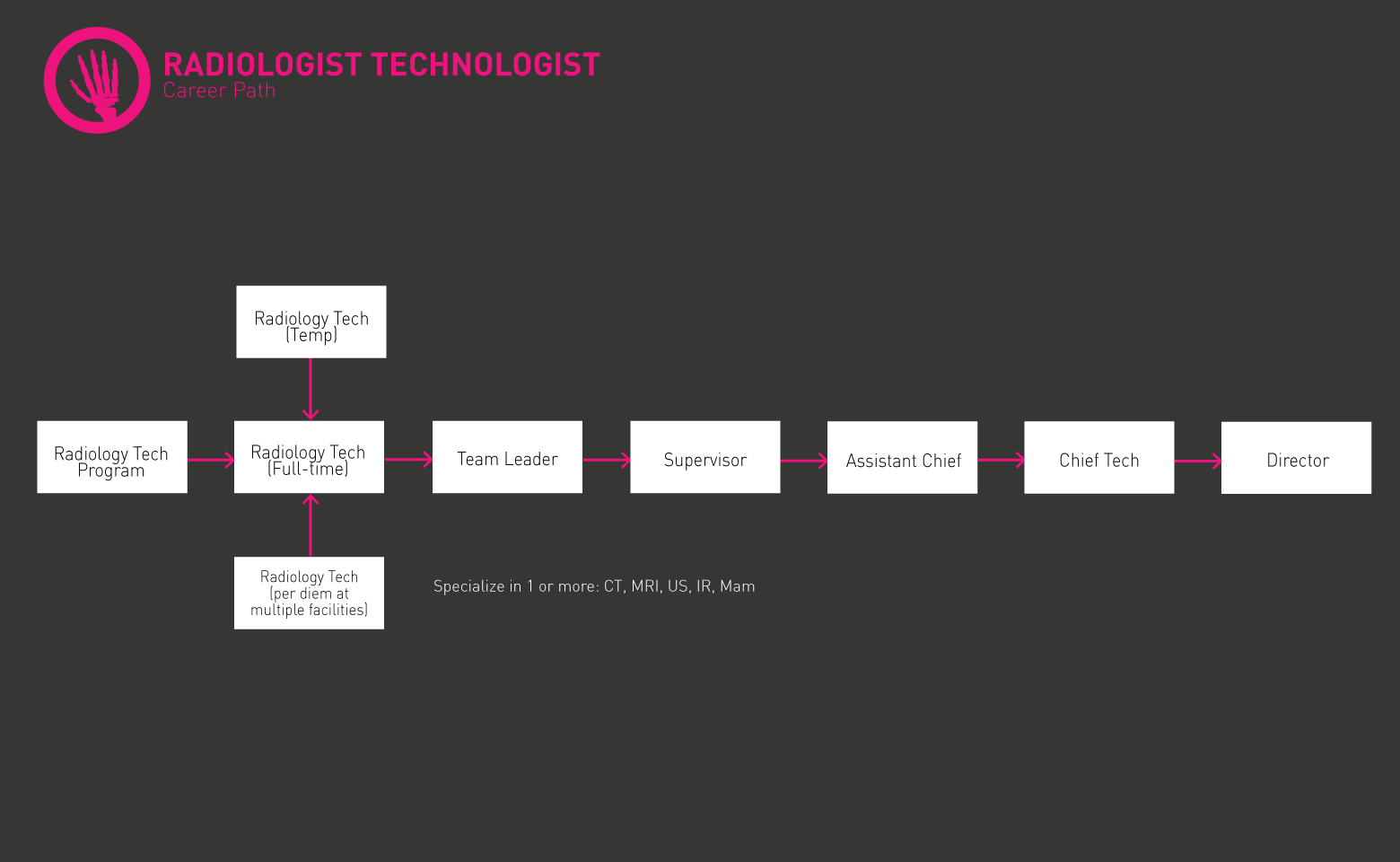
Many Radiologic Technologists work full-time, but the schedule depends heavily on the setting. In hospitals, imaging is needed around the clock, so technologists often work day, evening, or overnight shifts that include weekends and holidays, and they may be on call to come in for emergencies. Outpatient imaging centers and clinics tend to have more predictable hours, often close to a typical business day. Entry-level jobs often come in several forms: full-time permanent positions, per diem work in which you are called in as needed with no guaranteed hours, and temp-to-perm positions that can turn into permanent jobs. Some technologists work for staffing agencies on travel contracts that last a few months in different parts of the country. Schedules can change from week to week, and the job involves a lot of walking, standing, lifting, and moving patients and equipment, so it is a good match for people who like to keep moving.
Typical Duties
- Reviewing the doctor's order and confirming the patient's identity and the exact exam to be done
- Explaining the exam to patients and family members in simple language and answering their questions
- Asking about pregnancy, allergies, implants, and medical history to make sure the exam is safe
- Positioning patients and adjusting equipment so the correct body part is captured at the correct angle, even when a patient is hurt, in pain, or unable to move easily
- Selecting exposure settings and using shielding so each patient gets the lowest radiation dose that still produces a useful image
- Operating fixed, portable, and C-arm X-ray equipment in imaging rooms, patient rooms, the emergency department, and the operating room
- Reviewing each digital image for sharpness and positioning, and repeating or adjusting it when needed
- Sending completed images to the radiology information and image storage systems so radiologists and doctors can view them
- Assisting radiologists during procedures that use live X-ray images, such as swallowing studies, joint injections, and catheter placement
- Giving or helping with contrast, the special dye that makes certain organs and blood vessels easier to see, after checking the patient's history for risks
- Wearing a radiation monitoring badge, following safety rules, and keeping everyone in the room protected
- Cleaning equipment between patients and following infection control rules
Additional Responsibilities
- Training and guiding students who are completing their clinical rotations
- Performing daily checks and quality control tests on equipment, and reporting problems to biomedical engineers or service teams
- Keeping accurate patient records, including exam details and dose information
- Helping to prepare work schedules, order supplies, and evaluate new equipment in some departments
- Taking part in safety and quality improvement projects, such as lowering dose for children
- Completing required continuing education to keep credentials current
- Learning new imaging modalities through additional training and certification
- Serving as a lead technologist, supervisor, or educator as experience grows
A Radiologic Technologist working in a hospital often begins the shift with a handoff from the previous team, a quick check of the day's exam list, and a short test of the equipment to make sure everything is working properly. The first patients might include an emergency department patient with a possible broken arm, an inpatient who needs a portable chest X-ray at the bedside, and an outpatient who has come in for a spine exam. For each one, the technologist checks the order, introduces themselves, confirms the patient's name and the exam, and explains what is about to happen. Good communication matters at this step. A nervous child may need a few minutes to learn that the big machine will not hurt, and an older adult may need extra help getting onto the table safely.
Mid-morning often brings the unexpected. A trauma alert might send the technologist to the emergency department, where speed and precision matter and where the team works together to get images of a patient who cannot be moved easily. A technologist might then head to the operating room with a C-arm to take live images while a surgeon sets a broken bone, wearing a lead apron and keeping careful track of distance and time to limit exposure. Between exams, they review images on the monitor, check that the positioning and quality are right, and repeat a view if needed.
In the afternoon, a technologist may help in a fluoroscopy room while a radiologist guides a swallowing study or another procedure. Others may spend the day in a CT scanner, setting up the patient, starting contrast through an IV when the order calls for it, and watching the screen as hundreds of cross-section images build up. The end of the day means finishing documentation, cleaning the room, restocking supplies, and passing on any important details to the evening team. Technologists who work in outpatient centers may see fewer emergencies and more scheduled exams, but they still balance speed, safety, and kindness with every patient.
Soft Skills
- Clear and caring communication, especially with patients who are scared, in pain, or have trouble understanding or hearing
- Compassion and patience with people of all ages and backgrounds
- Calm under pressure during trauma and emergency situations
- Attention to detail, since a small positioning mistake or a wrong patient name can lead to repeat exams or errors
- Physical stamina and strength to stand for long periods, lift, and assist patients
- Flexibility to adapt each exam to a patient's injury, size, mobility, or condition, since real patients rarely look like textbook pictures
- Teamwork with radiologists, nurses, physicians, transport staff, and other technologists
- Multitasking and organization to handle a busy list of exams in the right order
- Problem solving when a patient cannot hold a position or when equipment does not cooperate
- Professionalism and respect for patient privacy
- Cultural awareness and the ability to work with patients who speak other languages or have different needs
- A commitment to lifelong learning as technology and procedures change
Technical Skills
- Knowledge of human anatomy and how bones and organs appear on images
- Positioning skills for hundreds of different views of the body
- Understanding of radiation physics, exposure settings, and image quality
- Radiation safety and protection principles, including the ALARA idea of keeping doses as low as reasonably achievable
- Operation of digital radiography systems, portable units, fluoroscopy, and C-arm equipment
- Basic CT and MRI operation after additional training, including contrast and MRI safety screening
- Use of picture archiving and communication systems (PACS) and radiology information systems
- Patient care skills, including infection control, safe patient transfers, basic life support, and recognizing emergencies
- Knowledge of contrast agents, allergies, and kidney considerations
- Medical terminology and accurate documentation
- Radiographer (General X-Ray): Takes X-rays of bones, chest, abdomen, and joints in imaging rooms, patient rooms, and emergency departments
- CT Technologist: Operates computed tomography scanners to create detailed cross-section images, often for trauma, stroke, and cancer care
- MRI Technologist: Uses powerful magnets and radio waves, rather than radiation, to create detailed images of soft tissue, the brain, joints, and the spine
- Mammographer: Performs breast X-ray exams, including 3D mammography, to find cancers early and works closely with patients during sensitive exams
- Interventional Radiography Technologist: Assists physicians during image-guided procedures, such as opening blocked blood vessels or placing stents, in a sterile procedure room
- Bone Densitometry Technologist: Measures bone strength with low-dose scans to help diagnose and monitor conditions such as osteoporosis
- Pediatric Radiologic Technologist: Specializes in imaging infants and children using child-friendly techniques and the lowest possible dose
- Mobile and Trauma Technologist: Brings portable equipment to bedsides, intensive care units, and the operating room, and works in fast-moving emergency settings
- Community and university hospitals
- Emergency departments and trauma centers
- Outpatient imaging centers
- Physician offices, including orthopedic and urgent care clinics
- Cancer centers and breast health centers
- Children's hospitals
- Veterans Affairs hospitals and military medical facilities
- Mobile imaging companies that serve nursing homes and rural areas
- Staffing agencies that place travel and temporary technologists
- Chiropractic and sports medicine practices
- Medical equipment manufacturers, which hire technologists as applications specialists and trainers
- Colleges and hospital-based schools that teach radiologic technology
Radiologic Technology is a hands-on career in which the day can change quickly. Schedules often shift, and many technologists work evenings, nights, weekends, and holidays, especially in hospitals. Overnight and on-call shifts are common for new technologists, because those hours are the hardest to fill. Many graduates also discover that the first job is not always a traditional full-time position. It is common to start with per diem or temporary work, sometimes at more than one facility, before a permanent role opens up. That takes flexibility and patience, but it is also a way to get your foot in the door and show employers what you can do.
The physical side of the job is real. You will be on your feet for much of the shift, pushing portable machines, wearing a lead apron during certain procedures, and helping to lift or turn patients who may be larger-bodied, injured, or frightened. Good body mechanics matter, so learning to use lift aids and ask for help protects your back. You will also work around radiation, which sounds scary but is very manageable when you follow the rules. Time, distance, and shielding are the three basic protections, and technologists wear monitoring badges so that exposure can be tracked. If you work in MRI, you will follow strict magnet safety rules, because metal objects can be dangerous near the scanner.
The job also carries emotional weight. You may care for patients in pain, children in the emergency room, or people receiving frightening news. Technologists do not diagnose, but they are often the first person to see a worrying image and the first person a patient talks to. Staying kind and steady while keeping to professional boundaries is a skill that you will build over time. Moving into management, teaching, or advanced roles often takes a bachelor's degree or more, so it helps to plan ahead if you want to climb. Many technologists find that the variety, the teamwork, and the daily chance to help someone make the challenges worthwhile.
- Artificial intelligence tools that help with image quality, dose reduction, patient positioning, and sorting urgent cases, with technologists remaining responsible for safe, careful exams
- Fully digital imaging, including portable digital X-ray systems and wireless detectors that make exams faster
- Faster scanners and lower-dose CT techniques, including photon-counting CT, that give sharper images with less radiation
- 3D mammography (tomosynthesis) becoming a standard way to screen for breast cancer
- Growth of outpatient imaging centers and mobile imaging as more care moves out of hospitals
- Combined technologies such as PET/CT and PET/MRI that blend images showing structure and function
- Greater attention to radiation safety for children through programs like Image Gently
- Cloud-based image sharing and remote support that let radiologists and technologists work together across locations
- Staffing shortages in many regions that make cross-training in CT and MRI especially valuable
- A stronger focus on patient experience, including clear explanations, privacy, and comfort during exams
Many Radiologic Technologists were curious about science, especially how the body works and how machines can show what is hidden. They liked biology and anatomy, enjoyed taking things apart to see how they worked, and were fascinated by gadgets and technology. Others were the kids who broke an arm or had an X-ray and left the hospital talking about the big machine instead of the pain. They often liked helping people, volunteering, or caring for younger siblings, relatives, or pets, and they did well when they could mix people skills with practical tasks.
Many were also active, hands-on kids who liked sports, being outdoors, or staying busy and found it hard to imagine spending eight hours at a desk. They tended to be steady in a crisis, comfortable meeting new people, and happy to follow a careful process. Some were drawn in by a family member who worked in healthcare, a high school health science course, or a hospital volunteer experience that showed them a career where technology and caring come together.
“I was a very active child. I did not spend much time indoors. I rode bikes with neighborhood kids, played soccer, did Greek dancing, cheerleading, competitive swimming, basketball, softball, hiking, and camping. I'm not able to sit still for very long, so a desk job was not an option for me. I need to be on my feet and constantly moving around to keep myself stimulated and alert.” Ashley, X-ray Technician
Most Radiologic Technologists complete a professional education program in radiography, and most earn an associate degree, which usually takes about two years of full-time study. Some programs are based in hospitals, others in community colleges or universities, and some students choose a bachelor's degree program that opens more doors in leadership and teaching. Certificate programs also exist. The national certifying organization, the American Registry of Radiologic Technologists (ARRT), requires candidates for its main (primary) pathway to complete an approved educational program and also hold an associate degree or higher, so students in certificate-only programs usually need to finish a degree before taking the exam. Programs accredited by the Joint Review Committee on Education in Radiologic Technology (JRCERT) are widely recognized by employers and certifying organizations.
Most states require Radiologic Technologists to be licensed or certified, and many states use the ARRT exam as part of the process. Licensing rules differ from state to state, so it is important to check with the state's medical imaging or radiation control board where you plan to work. After passing the ARRT radiography exam, technologists earn the credential R.T.(R) and must meet ethics standards and complete continuing education, currently 24 credits every two years, to keep their certification active. Once you hold the radiography credential, you can add more through ARRT's post-primary pathways in areas such as computed tomography, magnetic resonance imaging, mammography, bone densitometry, and vascular or cardiac interventional radiography. The ARRT also offers other certification areas, including nuclear medicine, radiation therapy, and sonography, for technologists who want to cross over. MRI technologists may also be certified through the American Registry of Magnetic Resonance Imaging Technologists (ARMRIT).
Students can take courses in relevant subjects such as:
- Introduction to Radiography and Patient Care
- Human Anatomy and Physiology
- Medical Terminology
- Radiographic Positioning and Procedures
- Principles of Radiographic Imaging and Exposure
- Radiation Physics and Equipment
- Radiation Biology and Protection
- Radiographic Pathology
- Image Evaluation and Quality Control
- Clinical Practice or Clinical Education Rotations
Hands-on clinical training is the heart of any radiography program. During clinical rotations, students work in hospitals and imaging centers under the supervision of experienced technologists, performing exams on real patients and building a log of required procedures. These rotations are also your chance to make a great impression, because staff members talk to each other, and many technologists are hired at the sites where they trained or hear about openings through contacts they made as students.
After graduation, many new technologists add skills through on-the-job training or short courses in CT or MRI, and some pursue mammography or sonography with extra schooling. Learning never stops, because technology and safety standards keep changing. Technologists who want to move into management or teaching often return to school for a bachelor's or master's degree, while those who want to become Radiologist Assistants complete an advanced program at the graduate level.
- Take biology, chemistry, physics, algebra, and geometry in high school, plus anatomy and physiology if your school offers it
- Join a health science program, a HOSA chapter, or a career and technical education pathway in healthcare
- Ask a local hospital or imaging center about an informational interview, a tour, or a job shadow with a working Radiologic Technologist
- Volunteer in a hospital, clinic, nursing home, or community health organization to practice working with patients and see healthcare teams in action
- Earn a CPR or basic life support certification, which most programs and employers want
- Take a medical terminology or intro health careers class, which can give you a head start
- Look up the radiography programs in your area, and check for prerequisites, application deadlines, and the number of spots, because many programs are small and competitive
- Keep your grades strong in science and math, because admission to radiography programs is often selective
- Read job ads for technologists in your area to see which modalities and certifications local employers want
- Practice talking calmly and clearly with people of different ages, since patient communication is a daily part of the job
- Think about dual-enrollment or college courses in anatomy, physiology, and statistics while you are still in high school
- Talk with technologists about their daily schedules, including shift work and on-call duties, to make sure the lifestyle fits you
- Accreditation by the Joint Review Committee on Education in Radiologic Technology (JRCERT), which also helps with eligibility for the national exam
- High pass rates for the ARRT radiography exam on the first attempt, and strong job placement rates
- Clinical sites at several types of facilities, such as a trauma center, a children's hospital, and an outpatient center
- Enough hands-on time with real patients, with experienced technologists who are supportive teachers
- Modern digital equipment and labs where students can practice positioning before working with patients
- A degree that meets the ARRT's requirement, or a clear plan for earning the associate degree
- Preparation for state licensure in the state where you want to work
- Opportunities to explore CT, MRI, or mammography during your clinical rotations
- Honest information about program length, costs, and required clinical schedules, including evening or weekend rotations
- Career services such as resume help, interview practice, and connections to local employers
- Affordable tuition and financial aid, including scholarships from professional societies and hospital-based programs
- Pathways to a bachelor's degree if you may want to move into leadership or teaching later
- Treat every clinical rotation like a long job interview by arriving early, asking good questions, staying positive, and building relationships with technologists and supervisors
- Pass your ARRT radiography exam as soon as you are eligible, and apply for any required state license right away
- Volunteer at a hospital or imaging center before or during school, which builds your network, earns you references, and shows professionalism
- Be flexible about your first job. Many new graduates start with per diem, part-time, or temp-to-perm positions, sometimes at more than one facility, and then move into full-time roles
- Be open to different shifts, such as evenings, overnights, and weekends, since those hours often have openings for new technologists
- Search for jobs on hospital career pages, health system job boards, and general sites such as Indeed and Glassdoor, and look for titles such as Radiologic Technologist, Radiographer, or X-Ray Technologist
- Ask your program's career center and your clinical instructors about job leads, because hospitals often hire from the schools they work with
- Join a professional organization such as the American Society of Radiologic Technologists (ASRT) as a student to learn about the field and meet working technologists
- Write a resume that highlights your clinical experience, the types of exams you have performed, your CPR certification, and your ARRT credential
- Prepare for interviews by practicing questions about patient care, radiation safety, difficult situations, and teamwork
- Consider relocating, at least for a first job or travel assignment, if your local area has few openings
- Keep adding skills such as CT or MRI training to make your application stronger
- Earn additional credentials in CT, MRI, mammography, or interventional radiography, since technologists with more than one modality are often more employable and promotable
- Become the person your team trusts for tough exams, such as trauma, pediatric, or bedside imaging
- Take on roles such as clinical instructor, lead technologist, or quality control technologist to build leadership skills
- Complete a bachelor's or master's degree if you want to move into department management, education, or administration
- Explore advanced roles such as Radiologist Assistant, which requires graduate-level education and additional certification
- Look at related paths such as PACS administration, applications specialist for an equipment company, or radiology program director
- Attend conferences, workshops, and webinars from groups such as ASRT and state societies to stay current and meet mentors
- Keep a positive reputation by being dependable, kind to patients, and a good teammate
Websites:
- American Registry of Radiologic Technologists (ARRT) - arrt.org
- American Society of Radiologic Technologists (ASRT) - asrt.org
- Joint Review Committee on Education in Radiologic Technology (JRCERT) - jrcert.org
- RadiologyInfo.org, patient education from RSNA and ACR - radiologyinfo.org
- Radiological Society of North America (RSNA) - rsna.org
- American College of Radiology (ACR) - acr.org
- Image Gently, radiation safety in pediatric imaging - imagegently.org
- American Registry of Magnetic Resonance Imaging Technologists (ARMRIT) - armrit.org
- Association for Medical Imaging Management (AHRA) - ahra.org
- Association of Educators in Imaging and Radiologic Sciences (AEIRS) - aeirs.org
- Society of Nuclear Medicine and Molecular Imaging (SNMMI) - snmmi.org
- Health Physics Society, radiation safety information - hps.org
- Radiopaedia - radiopaedia.org
- HOSA - Future Health Professionals - hosa.org
Books:
- Textbook of Radiographic Positioning and Related Anatomy by John Lampignano and Leslie E. Kendrick
- Merrill's Atlas of Radiographic Positioning and Procedures by Jeannean Hall Rollins and Tammy Curtis
- Radiologic Science for Technologists: Physics, Biology, and Protection by Stewart C. Bushong
- Essentials of Radiographic Physics and Imaging by James Johnston and Terri L. Fauber
- Radiographic Image Analysis by Kathy McQuillen Martensen
If you find that being a Radiologic Technologist isn't the right fit, your interest in healthcare, technology, and hands-on patient care can lead to many other rewarding careers.
- Diagnostic Medical Sonographer
- MRI Technologist
- CT Technologist
- Nuclear Medicine Technologist
- Radiation Therapist
- Radiologist Assistant
- Surgical Technologist
- Respiratory Therapist
- Medical Dosimetrist
- PACS Administrator or Imaging Informatics Specialist
Newsfeed

Featured Jobs
Online Courses and Tools
Annual Salary Expectations
New workers start around $85K. Median pay is $123K per year. Highly experienced workers can earn around $150K.