





Spotlights
Credentialed Veterinary Technician (CrVT), Certified Veterinary Technician (CVT), Licensed Veterinary Technician (LVT), Registered Veterinary Technician (RVT), Veterinary Nurse, Vet Tech, Veterinary Technologist, Emergency and Critical Care Veterinary Technician, Veterinary Surgical Technician, Veterinary Anesthesia Technician, Laboratory Animal Technician, Zoo Veterinary Technician
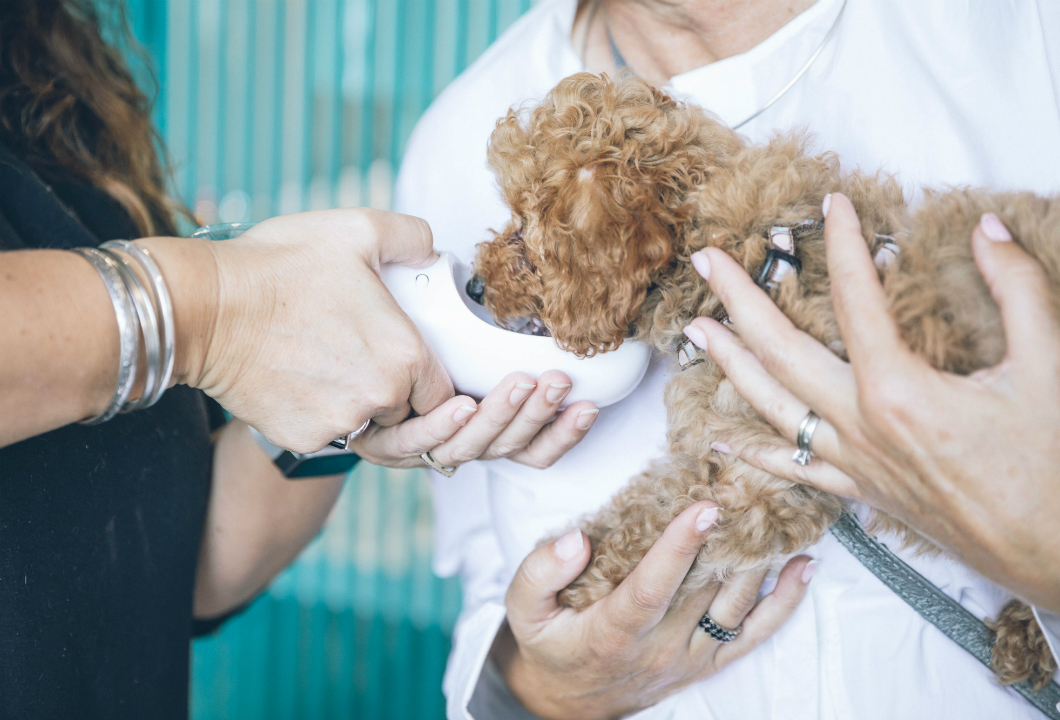
A dog is rushed in after eating something it should not have. A kitten comes in for its very first vaccines, and a nervous owner wants to know if it is normal for her to hide under the blanket. A horse is lying down in a stall and a farm family is worried. In each of these moments, a Veterinary Technician is one of the first people to step in. They are the nurses of the animal world, trained to gently handle patients, to spot what is wrong, and to carry out the hands-on medical care that keeps animals healthy and comfortable.
Veterinary Technicians work alongside veterinarians, who diagnose illnesses, prescribe treatments, and perform surgery. The technician does much of the hands-on medical work that makes all of that possible. They take histories from owners, check an animal's temperature, heart rate, and breathing, draw blood, run lab tests, take X-rays, give vaccines and medications, place IV catheters, prepare animals for surgery, monitor anesthesia, and care for patients as they wake up and recover. They also teach owners how to give medicine at home, brush a pet's teeth, or manage a pet's special diet. Just as important, they comfort frightened animals and the people who love them. Some Veterinary Technicians care for pets in small animal clinics, while others care for horses, farm animals, zoo animals, animals in research labs, or injured wildlife.
To do this work, Veterinary Technicians use digital X-ray machines, ultrasound, blood analyzers, microscopes, anesthesia machines and monitors, dental equipment, and practice management software. They need strong medical knowledge, steady hands, and a good sense of how animals communicate fear, pain, or trust. Their work matters because animals cannot tell us what hurts. A skilled technician notices the small change in breathing, the slightly pale gums, or the animal that stopped eating, and helps the veterinary team act in time. They are the reason so many animals leave the clinic safer, calmer, and healthier than they came in.
- Caring for animals every day and helping them feel better, from a routine checkup to a life-saving emergency
- Using real medical skills, such as placing catheters, monitoring anesthesia, and running lab tests, as a valued member of a veterinary team
- Building bonds with patients and their families and being trusted at some of the most important moments in a pet's life
- Having variety in your work, with new patients, new puzzles, and the chance to specialize in areas like emergency care, dentistry, behavior, or zoo medicine
Working Schedule
Many Veterinary Technicians work full-time, and the schedule depends on where they work. In a general practice clinic, days may follow business hours with some evenings and Saturdays, and appointments are often packed from morning until closing. Emergency and specialty hospitals are open overnight, on weekends, and on holidays, so technicians there work shifts that may be 10 or 12 hours long. Technicians in large animal and equine practices may travel to farms and barns, sometimes early in the morning or late at night, in all kinds of weather. Those working in research labs, universities, or zoos may follow a more regular schedule, though animals still need care on weekends and holidays. Most of the day is spent on your feet, moving quickly between exam rooms, the treatment area, the lab, the X-ray room, and the surgery suite. The environment can be noisy, with barking, meowing, and busy staff, and it is often unpredictable, because emergencies can arrive at any moment.
Typical Duties
- Greeting patients, taking histories from owners, and recording weight, temperature, pulse, and breathing rate
- Safely handling and restraining animals for exams and procedures using calm, low-stress techniques
- Collecting blood, urine, and other samples, and running tests such as blood counts, urinalyses, and fecal checks
- Giving vaccines, injections, and medications prescribed by the veterinarian, and calculating doses carefully
- Placing IV catheters and giving fluids to sick or dehydrated animals
- Taking X-rays and helping with ultrasound, following radiation safety rules
- Preparing patients and the surgery room for procedures, including cleaning instruments and maintaining a sterile area
- Inducing and monitoring anesthesia, watching vital signs, and caring for patients as they wake up
- Providing nursing care to hospitalized animals, including feeding, walking, cleaning wounds, changing bandages, and giving pain relief
- Cleaning teeth, taking dental X-rays, and assisting with dental procedures
- Educating owners about medications, nutrition, behavior, and aftercare instructions
- Keeping accurate medical records, tracking controlled drugs, and keeping the treatment area clean and organized
Additional Responsibilities
- Training and mentoring veterinary assistants, kennel staff, and student interns
- Ordering medications and supplies, checking expiration dates, and managing inventory
- Helping run puppy and kitten classes, wellness clinics, or community vaccine events
- Supporting owners through difficult moments, including end-of-life care, in the ways allowed by the veterinarian and the state
- Maintaining equipment and following safety rules for infectious diseases, radiation, and anesthetic gases
- Participating in continuing education and keeping up with new medicines and techniques
- Serving as a team lead, practice manager, or hospital supervisor in some clinics
- Supporting research studies by caring for animals, collecting samples, and recording data accurately in lab settings
A Veterinary Technician at a small animal hospital usually starts the morning by reviewing the schedule and checking on patients who stayed overnight. They look over the treatment sheets, take temperatures and heart rates, give morning medications, and take dogs outside for a walk. They prepare the surgery room, lay out instruments, and set up the anesthesia machine for the day's spays, neuters, and dental cleanings. By the time the first appointments arrive, they have already helped several patients feel more comfortable.
Midday is when the day usually speeds up. A technician may put a patient under anesthesia for a dental cleaning, clip the area, place an IV catheter, and then monitor the heart rate, oxygen level, and breathing the entire time. They take dental X-rays, help the veterinarian remove a loose tooth, and keep careful notes. Between procedures, they take a nervous dog's blood sample, speaking softly and using treats to keep the animal calm, and run it through the in-house analyzer. A walk-in emergency, such as a cat that is struggling to breathe, changes the plan in seconds, and the technician helps get the patient oxygen, an IV, and a quick exam.
In the afternoon, technicians help with vaccinations, recheck visits, and discharge appointments. They explain to an owner how to give pills, clean an incision, and watch for signs of trouble. They update records, clean exam rooms and kennels, restock supplies, and call owners with progress reports on hospitalized pets. Before they leave, they hand off patients to the evening or overnight staff with clear, careful notes. Many technicians say the most meaningful part of the day is the moment an animal they have been caring for finally wags its tail again.
Soft Skills
- Compassion for animals and the people who love them, especially during scary or sad moments
- Clear communication with owners, who may be worried, upset, or confused about what the veterinarian said
- Calm, steady focus in emergencies when seconds count
- Patience and gentle handling skills with animals that are frightened, in pain, or unpredictable
- Attention to detail, such as double-checking doses, reading charts carefully, and noticing small changes in a patient
- Teamwork with veterinarians, assistants, receptionists, and other technicians
- Emotional resilience, to cope with sick animals, difficult cases, and loss
- Physical stamina to stand for long shifts, lift animals, and move quickly
- Problem solving, such as finding a vein on a tiny, wiggly patient or figuring out why an animal has stopped eating
- Time management, with many patients needing care at once
- Respect for confidentiality and for the choices owners make
- Willingness to keep learning and to ask for help or a second set of eyes
Technical Skills
- Knowledge of animal anatomy, physiology, and common diseases of dogs, cats, and other species
- Safe animal restraint and handling, including recognizing body language that signals fear or aggression
- Venipuncture and IV catheter placement
- Anesthesia monitoring, including heart rate, breathing, blood pressure, oxygen levels, and body temperature
- Laboratory skills, such as running blood tests, reading urine and fecal samples under a microscope, and preparing specimens
- Radiography and ultrasound positioning, with radiation safety practices
- Pharmacology and dosage calculations, so medications are given safely and accurately
- Surgical assisting, sterile technique, and instrument care
- Dental cleaning, charting, and dental X-rays
- Medical record keeping, practice management software, and knowledge of laws on controlled substances and animal health records
- General Practice Technician: Provides wellness exams, vaccines, lab work, surgery assistance, and client education for dogs, cats, and small pets
- Emergency and Critical Care Technician: Cares for the most seriously ill and injured animals, often in fast-paced, overnight hospital settings
- Anesthesia Technician: Specializes in preparing animals for anesthesia, monitoring them during surgery, and managing pain
- Internal Medicine, Oncology, or Cardiology Technician: Supports specialists who treat complex conditions such as cancer and heart disease
- Behavior Technician: Helps animals and owners with fear, anxiety, and training challenges
- Large Animal and Equine Technician: Works with horses, cattle, sheep, and other farm animals in barns, fields, and hospitals
- Zoo, Wildlife, and Exotic Animal Technician: Cares for animals in zoos, aquariums, and wildlife centers, as well as birds, reptiles, and small mammals
- Laboratory Animal Technician: Cares for animals used in research and helps ensure humane treatment and careful records
- Small animal general practice clinics
- Emergency and 24-hour animal hospitals
- Specialty referral hospitals (for example, surgery, cardiology, or neurology)
- University veterinary teaching hospitals
- Equine practices and large animal ambulatory services
- Zoos, aquariums, and wildlife rehabilitation centers
- Animal shelters and humane societies
- Research laboratories at universities, hospitals, and companies
- Pharmaceutical, pet food, and biotech companies
- Government agencies and military working dog programs
- Pet insurance, veterinary technology, and animal health companies
- Veterinary technology schools, where experienced technicians teach
Veterinary Technicians do rewarding work, but it can be demanding. Animals that are scared or hurt may bite, scratch, or kick, even if they are usually sweet, so technicians learn to protect themselves, their coworkers, and the animal. They also deal with urine, feces, vomit, blood, and other messy parts of animal care, and they lift and restrain animals that can weigh anywhere from a few ounces to hundreds of pounds. They may be exposed to diseases that can pass between animals and people, such as ringworm or rabies, so vaccines and careful hygiene are part of the job. Technicians who take X-rays wear protective gear and follow safety routines, and those working with anesthesia learn how to protect themselves from gases.
The emotional side can be just as hard as the physical side. Technicians care for animals that are very sick, injured, or at the end of life, and they sit with owners who are grieving. Some also see cases of neglect or animals that cannot be saved because the owner cannot afford treatment. Many technicians experience compassion fatigue, a kind of emotional exhaustion that comes from caring so much, and learning how to set boundaries, talk with coworkers, and ask for support is an important part of staying in the field. Depending on the state and the practice, technicians may be asked to take part in euthanasia procedures, and students should learn what their state and employers allow.
Becoming a credentialed technician takes a significant commitment. Most states expect graduation from an accredited program, a national exam, and often a state exam or application, followed by continuing education to stay current. Evenings, weekends, and holidays are common, especially in emergency settings. Many veterinary technicians love their work but also talk openly about the challenge of long shifts, limited staff, and a pace that can be exhausting. Those who thrive tend to be tough and tender at the same time, with a love of animals, a love of science, and a team spirit.
- Growing push to use the title veterinary nurse in more states and to have technician credentials recognized and protected more consistently across the country
- Expanding technician roles in many states, including more responsibility in anesthesia, dentistry, emergency care, and client education, with veterinarian supervision
- More specialty career paths, with advanced credentials in areas such as emergency and critical care, anesthesia, dentistry, internal medicine, behavior, and zoological medicine
- Low-stress and fear-free handling, which uses calm techniques, treats, and gentle restraint to reduce animals' anxiety and keep everyone safer
- Telemedicine and digital tools that let clinics communicate with owners, send photos and updates, and manage follow-up care
- Advanced diagnostic and treatment technology, such as digital radiography, ultrasound, in-clinic labs, laser therapy, and rehabilitation equipment
- Growth in pet ownership and in spending on pet health, which has increased demand for skilled veterinary support staff
- Increased attention to technician well-being, burnout, and compassion fatigue, along with better pay, scheduling, and workplace culture in many clinics
- More emphasis on preventive care, pain management, and senior pet care, as pets live longer
- Growing interest in One Health, the idea that the health of animals, people, and the environment are connected, which creates opportunities in public health and research
Many Veterinary Technicians grew up surrounded by animals. They may have had pets, ridden horses, raised animals for 4-H or FFA, volunteered at shelters, or cared for neighborhood cats, birds, and turtles. They were the kids who brought home injured wildlife, learned to read a dog's body language, or kept track of every animal's vaccines. They enjoyed biology and science, nature shows, and books about animals, and they were not afraid to get a little dirty.
Others were caregivers and fixers who liked helping friends and family members when they were hurt or sick. They were curious about how bodies work, enjoyed hands-on tasks like first aid and science labs, and stayed calm when others panicked. Many were organized, dependable, and good with details, and they found that animal care combined their love of animals, their interest in medicine, and their desire to do something that matters.
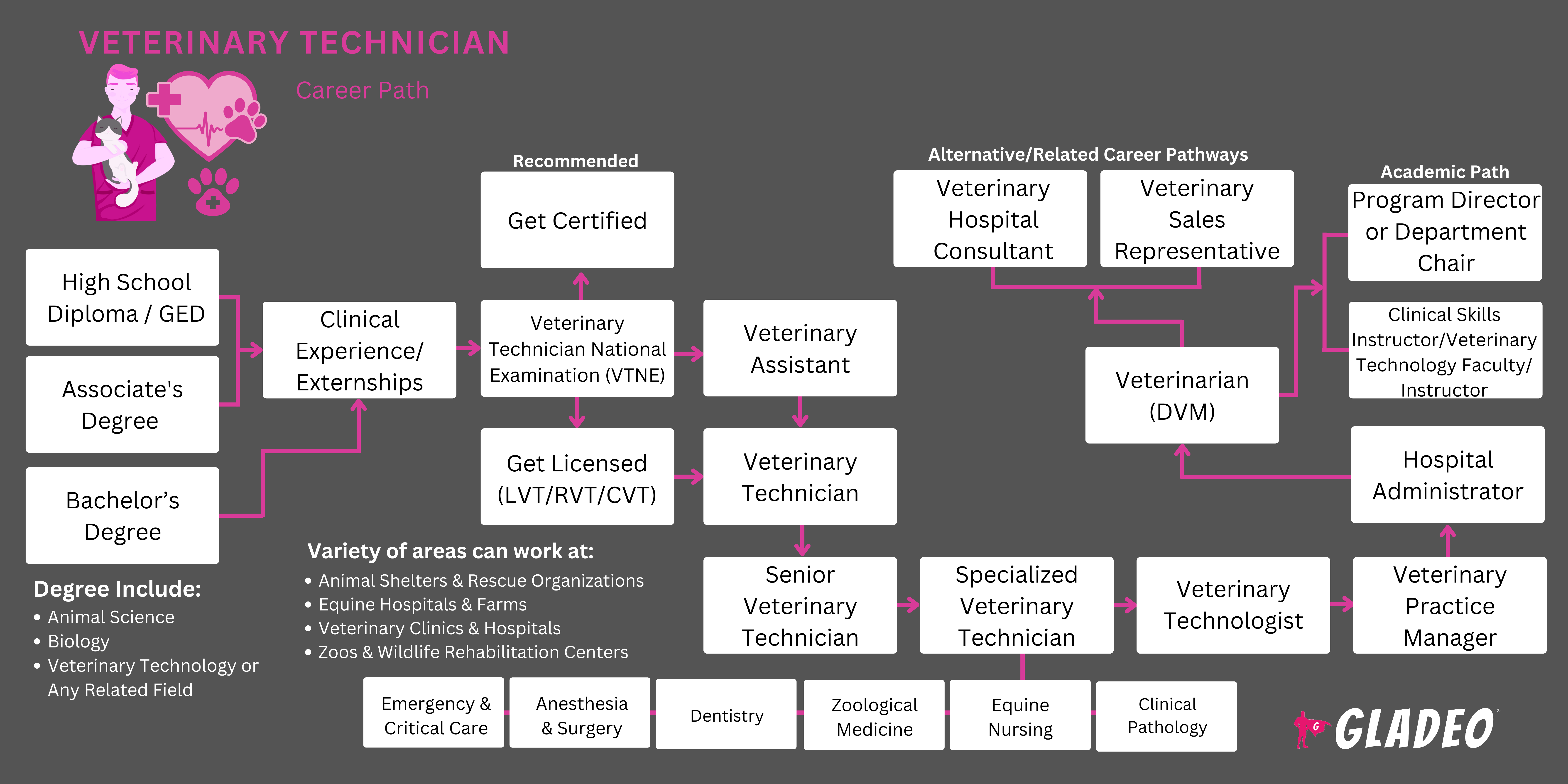
In most states, becoming a credentialed Veterinary Technician starts with graduating from a veterinary technology program accredited by the American Veterinary Medical Association Committee on Veterinary Technician Education and Activities (AVMA CVTEA). Most programs award a two-year associate degree, and some colleges offer four-year bachelor's degrees in veterinary technology. Some accredited programs are offered online with required hands-on work at approved veterinary clinics. The words technician and technologist are sometimes used differently: technicians usually complete a two-year program, and technologists usually complete a four-year bachelor's degree and may work in research, teaching, or advanced clinical roles.
After graduating, you generally take the Veterinary Technician National Examination (VTNE), which is run by the American Association of Veterinary State Boards (AAVSB). The VTNE is a three-hour, computer-based exam with 170 multiple-choice questions, of which 150 count toward your score. Most states also have their own application, background check, and sometimes a separate state exam. Each state decides the title you can use, such as Certified Veterinary Technician (CVT), Licensed Veterinary Technician (LVT), or Registered Veterinary Technician (RVT), and each state decides what tasks technicians may perform and what supervision is required. A few states have different or limited pathways, so always check your state veterinary board or state veterinary medical association before choosing a program.
Students can take courses in relevant subjects such as:
- Animal Anatomy and Physiology
- Veterinary Medical Terminology
- Animal Nursing and Patient Care
- Veterinary Pharmacology and Dosage Calculations
- Clinical Pathology and Laboratory Techniques
- Veterinary Anesthesia and Surgical Nursing
- Veterinary Radiography and Imaging
- Animal Nutrition
- Animal Behavior and Restraint
- Veterinary Practice Management and Ethics
Hands-on experience is a big part of the training. Programs include labs on campus, and students practice on animal models, patients, and teaching animals before moving on to externships in real veterinary clinics, hospitals, shelters, or labs. Students learn to place catheters, run anesthesia, take X-rays, and work with real clients. Many future technicians also gain experience by volunteering at a shelter, working as a kennel assistant or veterinary assistant, or shadowing a technician or veterinarian.
After you graduate and become credentialed, learning continues. Technicians complete continuing education every renewal cycle, and many pursue advanced credentials. Experienced technicians can apply to become Veterinary Technician Specialists (VTS) through national academies recognized by the National Association of Veterinary Technicians in America (NAVTA), in areas such as emergency and critical care, anesthesia and analgesia, dentistry, internal medicine, behavior, nutrition, surgery, clinical practice, and zoological medicine.
- Take biology, chemistry, anatomy, and math in high school, since dosage calculations and lab work are part of the daily routine
- Look for an animal science, agriculture, or health science career pathway at your school or career center
- Join 4-H, FFA, HOSA, or an animal science or pre-vet club to practice animal care and leadership skills
- Volunteer at an animal shelter, rescue, or wildlife center to get used to handling frightened animals and cleaning up messes
- Get a part-time job as a kennel assistant, groomer, pet sitter, or veterinary assistant to learn clinic routines and customer service
- Ask a local clinic if you can shadow a Veterinary Technician for a day, including the surgery and treatment areas
- Learn animal body language, safe handling, and basic first aid for pets, and take a pet CPR class if one is offered
- Look up your state veterinary board and read its rules for technician credentials, titles, and allowed tasks
- Keep up your physical fitness, since lifting, restraining, and moving animals is part of the job
- Practice communicating clearly and kindly with people, because talking with owners is as important as working with animals
- Check that any program you consider is accredited by the AVMA CVTEA and ask about its VTNE pass rates
- Prepare for the emotional side of the career by talking with technicians about euthanasia, loss, and how they take care of themselves
- Accreditation by the AVMA CVTEA, which is needed for VTNE eligibility in most states
- High VTNE pass rates, graduation rates, and job placement rates, which programs are often required to share
- Hands-on labs with access to real animals, modern equipment, and instruction in anesthesia, radiology, and surgical nursing
- A clinical externship, with approved sites near you and experience in a variety of settings
- Instructors who are credentialed technicians or veterinarians with real practice experience
- A mix of species, including dogs, cats, small mammals, birds, and, if you are interested, large animals or exotics
- Clear information on what is needed to meet your state's rules, since requirements differ from state to state
- Online options that include supervised hands-on skill checks, if you need flexibility
- Support for exam preparation, such as VTNE review courses and practice tests
- Career services, job fairs, and relationships with local clinics and hospitals
- Reasonable costs, including tuition, supplies, scrubs, vaccines, and exam fees, plus scholarships or financial aid
- A bachelor's degree option or credits that transfer, if you might want to go on to a four-year degree or other animal careers
- Finish your program, pass the VTNE, and complete your state's application and background checks as early as possible
- Use your externship as an extended job interview by showing up on time, working hard, asking questions, and volunteering for tasks
- Ask your externship site and instructors about openings, and keep in touch with the people who watched you work
- Search for Veterinary Technician, Veterinary Nurse, Technician Assistant, and Veterinary Assistant jobs on general job boards, veterinary job boards, and clinic websites
- Call or visit local clinics, emergency hospitals, shelters, and universities to introduce yourself and drop off a resume
- Build a resume that highlights your skills, such as catheter placement, anesthesia monitoring, X-rays, and lab work, along with your externship and any animal experience
- Mention your credentials correctly, using the title your state allows, such as CVT, LVT, or RVT
- Ask about training, mentorship, schedules, and the clinic's approach to handling and euthanasia during interviews
- Prepare for questions such as how you would handle a frightened or aggressive animal, an upset client, or a medical mistake
- Be kind and professional with owners, because they may speak up for you or against you
- Join your state veterinary technician association and NAVTA to meet working technicians and hear about openings
- Keep your social media professional and avoid sharing patient information or photos without permission
- Build your reputation for accuracy, calm in emergencies, and kindness, and ask for more advanced responsibilities in areas where your state allows
- Complete continuing education, such as dentistry, anesthesia, or low-stress handling courses, to build specialty skills
- Work toward a Veterinary Technician Specialist credential in an area you love, which requires experience, case logs, and an exam
- Move into lead technician, head technician, hospital manager, or practice manager roles by learning scheduling, inventory, and leadership skills
- Consider teaching in a veterinary technology program or training new technicians
- Explore related careers in research, zoos, industry, sales, or public health that value your clinical experience
- Pursue a bachelor's degree while working, or later consider veterinary school if you want to become a veterinarian
- Take care of yourself with healthy boundaries, peer support, and rest, so you can stay in the field for the long run
Websites:
- National Association of Veterinary Technicians in America (NAVTA) - navta.net
- American Veterinary Medical Association (AVMA) - avma.org
- American Association of Veterinary State Boards (AAVSB) - aavsb.org
- American Animal Hospital Association (AAHA) - aaha.org
- Academy of Veterinary Emergency and Critical Care Technicians (AVECCT) - www.avecct.org
- Academy of Internal Medicine for Veterinary Technicians (AIMVT) - aimvt.com
- Academy of Veterinary Dental Technicians (AVDT) - avdt.us
- Academy of Veterinary Behavior Technicians (AVBT) - avbt.net
- Academy of Veterinary Technicians in Clinical Practice (AVTCP) - avtcp.org
- Association of Zoo Veterinary Technicians (AZVT) - azvt.org
- American Association for Laboratory Animal Science (AALAS) - aalas.org
- Fear Free - fearfreepets.com
- Today's Veterinary Nurse - todaysveterinarynurse.com
- dvm360 - dvm360.com
Books:
- McCurnin's Clinical Textbook for Veterinary Technicians and Nurses by Oreta M. Samples
- Veterinary Technician and Nurse's Daily Reference Guide by Mandy Fults and Kenichiro Yagi
- Medical Mathematics and Dosage Calculations for Veterinary Technicians by Robert Bill
- Laboratory Procedures for Veterinary Technicians by Margi Sirois
- Low Stress Handling, Restraint and Behavior Modification of Dogs & Cats by Sophia Yin
If you find that being a Veterinary Technician isn't the right fit, your love of animals, science, and caring for others can lead to many other rewarding careers.
- Veterinary Assistant
- Veterinarian
- Animal Care and Service Worker
- Zookeeper
- Animal Control Officer
- Animal Trainer
- Wildlife Rehabilitator
- Laboratory Animal Caretaker
- Registered Nurse
- Veterinary Practice Manager
Newsfeed

Featured Jobs
Online Courses and Tools
Annual Salary Expectations
New workers start around $47K. Median pay is $59K per year. Highly experienced workers can earn around $62K.